
Blackjack stands as one of the most popular casino games worldwide, offering the perfect balance between luck and strategy. In this guide, you’ll discover essential tips and proven techniques every player should master. Whether you’re a beginner or a seasoned pro, knowing your odds is the secret to boosting your chances of winning. Explore expert insights from 30JILI.IO and take your blackjack skills to the next level.
Understanding the Rules and Gameplay of Blackjack
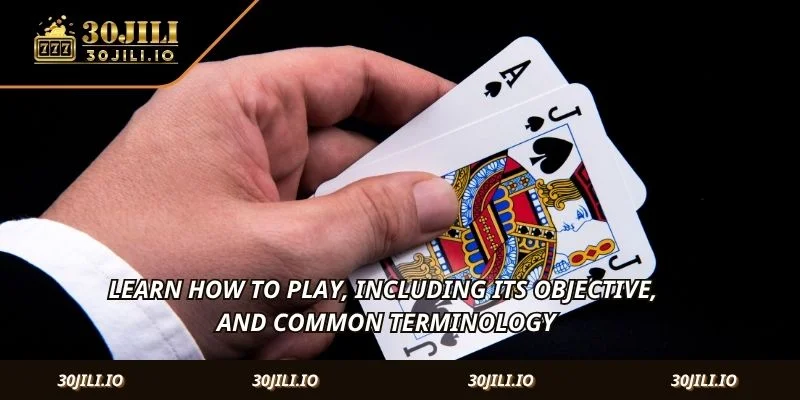
Blackjack is one of the most exciting and strategic card games in the casino world. Played between one or more players and a dealer, it uses one or several standard 52-card decks. The main objective is simple: get your hand total closer to 21 than the dealer’s without going over. If your first two cards are an Ace and any 10-value card, you have the coveted “blackjack” – the strongest hand in the game.
How the Game Works
The round begins when players place their bets. Each player is then dealt two face-up cards, while the dealer receives one face-up card and one face-down card. From there, you can:
-
Hit – request another card to improve your hand.
-
Stand – keep your current hand and end your turn.
-
Double Down – double your original bet and take only one more card.
-
Split – if your first two cards are the same value, split them into two separate hands.
After all players finish their moves, the dealer reveals the face-down card and must draw cards until reaching at least 17.
Strategy Basics
Blackjack is not purely luck – knowing when to hit or stand greatly affects your odds. For example, if you hold 16 against a dealer’s 10, hitting is often the better move statistically. On the other hand, holding 12 against a dealer’s 4 is usually a good time to stand, as the dealer has a higher chance of busting.
Top strategies every blackjack player should know

Before exploring these points, remember that discipline and decision making are as important as luck.
- Learn and memorize basic strategy charts: These charts offer mathematically sound decisions based on your hand and the dealer’s upcard. Mastering them helps reduce the house edge to less than 1%, giving you a real chance at consistent play.
- Never take insurance bets: Insurance may seem tempting, but statistically, it’s not beneficial over the long run. It’s essentially a side bet that favors the house and drains your bankroll over time.
- Always split Aces and 8s: This maximizes winning chances and avoids awkward hands like 16, which is weak. Starting fresh with two Aces or improving from two 8s gives you the best mathematical return.
- Avoid splitting 10s or 5s: Tens form a powerful hand, and splitting them lowers your edge. Two 5s make 10 a strong start to double down. Keeping tens gives you 20, a near unbeatable hand, while two 5s are perfect for doubling down to maximize profits.
- Don’t chase losses: Increasing your bet after losing is a risky approach that leads to faster bankroll depletion. Stick to your strategy instead of emotion driven bets that spiral out of control.
- Use card counting in friendly environments: If done subtly, card counting can give a slight edge, especially in single deck games. Even a small advantage over time can turn the odds in your favor without raising suspicion.
- Set win and loss limits: Know when to walk away to protect your profits or minimize your losses in a session. Discipline keeps your bankroll healthy and ensures you gamble responsibly.
Common Myths About Blackjack
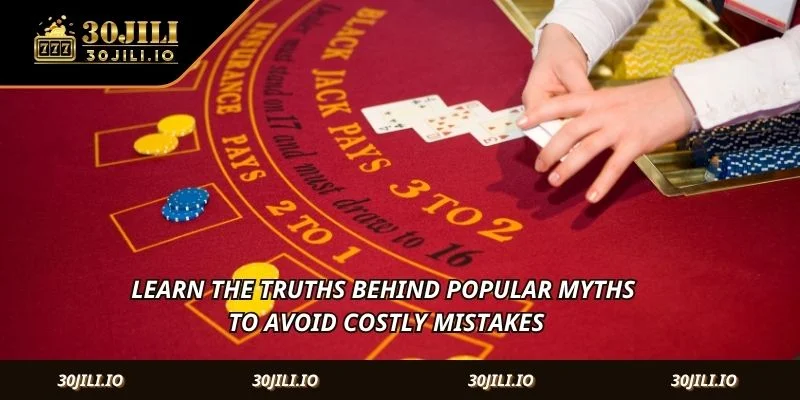
Many beginners think Blackjack is purely a game of luck with little room for strategy. In reality, applying basic strategies can significantly improve your odds, reducing the house edge to as little as 0.5%. Overlooking this fact is one of the most common mistakes new players make.
Another widespread myth is that the goal is simply to get as close to 21 as possible. The real objective is to beat the dealer’s hand. Sometimes, that means standing on a total of 12 when the dealer is showing a 6, taking advantage of the higher probability that the dealer will bust.
Some players also believe that the actions of others at the table can influence their own chances of winning. The truth is, each hand is independent, and the cards are dealt randomly. Your best approach is to focus solely on your own hand and the dealer’s visible card.
Finally, there’s the misconception that shuffling changes luck or alters outcomes. Statistically, shuffling doesn’t affect the odds – it simply resets the deck.
Advanced Blackjack Insights to Sharpen Your Edge
Once you’ve mastered the basic strategy, the next step is diving into advanced techniques that can help you gain a long-term advantage. These tactics aren’t about luck or gimmicks – they’re grounded in mathematics, psychology, and disciplined play.
Card Counting – How It Really Works
Card counting is a legitimate skill, though most casinos dislike it, so subtlety is essential. The idea is to track the ratio of high to low cards left in the deck. A common method is to assign values: +1 for cards 2–6, 0 for 7–9, and –1 for 10–Ace.
A higher count means the deck is rich in 10s and Aces, which increases the odds of hitting blackjack or forcing the dealer to bust. For example, at a +3 count, you might raise your bets to capitalize on the advantage. Practice at home before trying this in a live game, especially in multi-deck “shoe” games.
Table Selection and Blackjack Variations
The table you choose can significantly impact your results. Favor tables with 3:2 payouts over 6:5, and avoid those where the dealer hits on a soft 17. Seek games with fewer decks and player-friendly rules like surrender or re-splitting Aces.
Certain variants, like Spanish 21 (which removes all 10 cards) or Double Exposure (where both dealer cards are shown), change the game’s dynamics and require adjusted strategies. Always check the table rules and adapt before you play.
Bankroll Management and Emotional Discipline
One of the most common pitfalls in blackjack is poor money management. Decide on a fixed session bankroll and break it into consistent betting units. Avoid risky progressive systems unless you can handle large swings.
Equally important is emotional control. After a losing streak, players often go on “tilt,” making impulsive bets that break strategy. The key is to take breaks, stick to the math, and accept that variance is part of the game. The goal isn’t to win every hand – it’s to make the best possible decision every time.
Conclusion
Blackjack is more than just a casino game it’s a skill based battle of strategy, discipline, and psychology. By understanding the rules and mastering advanced techniques, you give yourself the best shot at consistent wins. Elevate your gameplay and explore real time excitement with 30JILI, where top notch experiences await.





